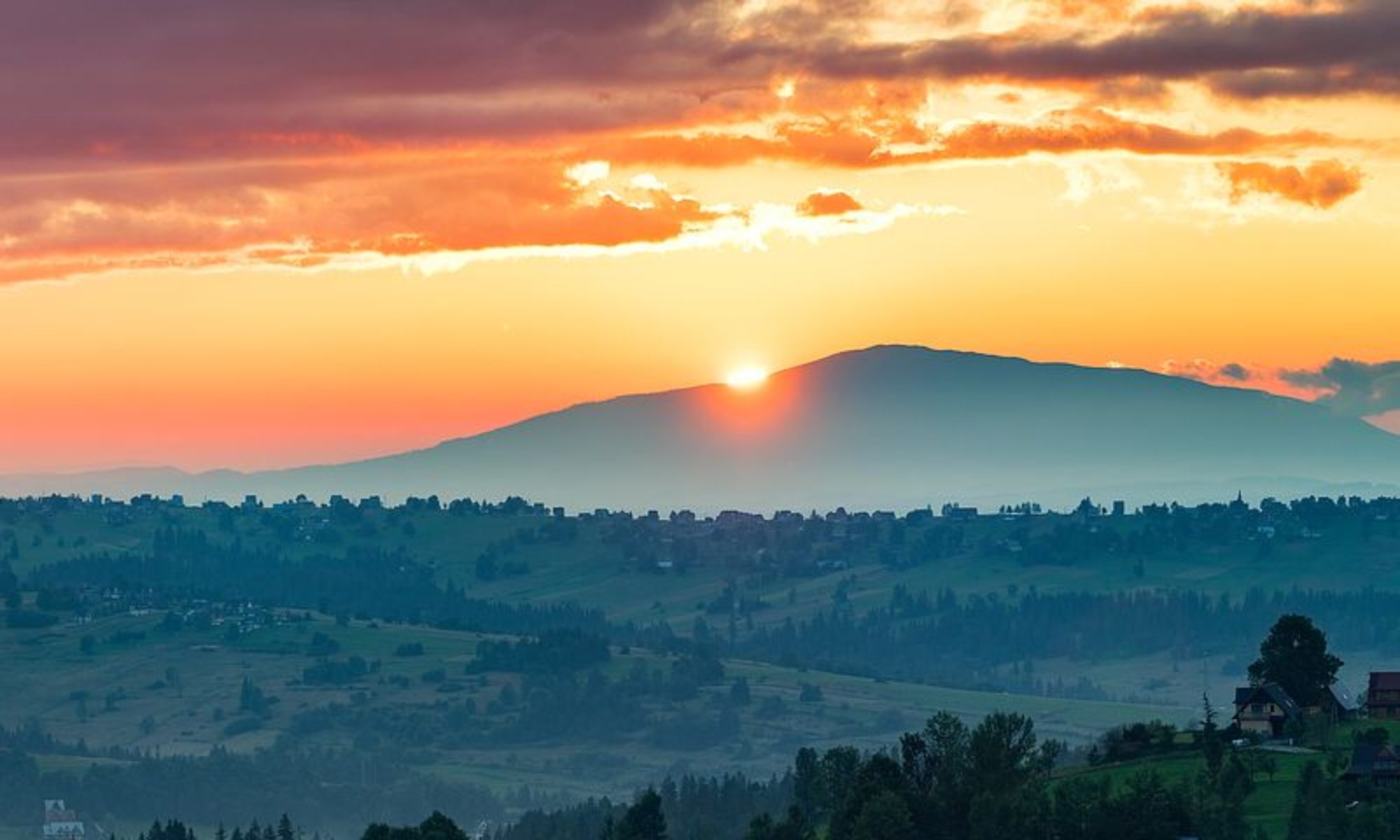
Where We Are Now

Photo: LN_Photoart/Pixabay

During my life as a child, my family moved quite a bit. In the first twelve years of my life, I lived in Charleston and then Lewisburg, WV, moving to Knoxville, TN before moving to Memphis, TN, on to Columbus, OH, and finally to Chicago, IL , where we spent a rock-steady six years. When I tell this to people, many are aghast at this steadily constant change as a child, and usually say something along the lines of ‘How awful to be exposed to constant change when you were so young!’ The first few times I heard this, I was quite surprised, as my memories of these events, the change, new people and schools, was quite pleasant, and even exciting. This was normal. I realized as I grew older and watched kids moving into the Chicago area struggle to find friends, be accepted by peers, and try to bring pieces of their own past to their current situation, I realized that they were struggling, and I did, in complete empathy, reach out to them, starting with a ‘Hello.’ While that ended up with a few friends, many were wary of the new society of which they were now a part of, and yet, still trying to figure out how to navigate these new circumstances.

One of the things I realized, much later as an adult, is that I was taught to go into these new situations with an open mind and a curiosity bred by the travel I had done in addition to living in new cities and states. Both of my parents worked hard to help my sister and I adapt to the new places, making sure we understood where we were now, its history, and we established ourselves in this new place by joining a church where we felt welcome, and that welcomed our presence, as well as becoming a part of our school life, with after-class clubs and sports as well. Learning about our new city, its history and our place in it made us care about where we were, and to look for ways we could make it better. Of course, what this created was an attitude of making the most of where we are now. We still had friends in the old places, with whom we kept up with via letters, postcards and the occasional Holiday or Birthday phone call. 

With the world we live in now such a transient place for so many, the secret to making the most of where we are now is not looking for the next move, as one might think, but of making where we are now the best situation for us, right now. Learning, teaching, taking part in the events, celebrations, community service, school, work in a specific place imbues us with a specific knowledge of that place and its people, but more importantly, it teaches us to adapt freely and easily, and that we can improve things just by deciding to learn new means and ways, and beginning to see our new circumstances with new eyes…where we are now.

Rise and Stand

Photo: pascualamaia/Pixabay

Every time we help somebody stand up, we are helping humanity rise as well. It’s quite easy to see a fallen child or elderly person and rush to help them to their feet. They are scared, for different reasons, and they are still wondering how this happened even as you help them to their feet and check to be sure they are okay. We have all been in the position of needing, and accepting, help from another when things don’t go as planned. As people realize that they are okay, or if they are not, that help is on the way, there is a release of emotion stemming from the fear of injury, of weakness, of embarrassment that can take many forms, from tears to laughter to a simple, ‘Thank you!’ Many of us tend to see their reactions as ‘too much’ sometimes, but the feelings expressed are genuine and from the heart. The true beauty of experiencing a situation like this is that it touches both parties with a quiet realization of the truth that we truly need each other. No matter how independent, intelligent, strong, or unique we may be, we feel the connection to another, and we often feel that somehow, some way, we can do the same for another.

Our world, as confusing as it can be at times, is full of people who have realized these truths, and go through their lives offering a hand to others as part of life. The man who learned that there would not be summer camp for several children in his church due to family financial difficulties, made sure these kids went to camp and had a great experience there. He did not want it known that it was he that did this, but simply said, ‘If my kids, or my family were in this predicament, I would hope there would be someone who would reach out and be sure things were going to be okay. Summer camp is not a big deal for a lot of people, but for these kids, it’s something that starts to build hope within them, that good things can happen, even in a life that hasn’t seemed quite fair at times.’ And another part of humanity rises.

In another situation, a man was walking hurriedly through New York City, dressed smartly for a job interview, and was moving quickly through the crowded sidewalk when he passed a man asking for money to get something to eat. As the man approached the man begging, he shook his head ‘No’ and kept moving, but not quickly enough that he didn’t hear the begging man say, ‘You’ve got money for fancy clothes, but not enough to share, I guess!’  Rounding the corner, he realized that he had cash with him, something unusual for him, and so he turned around, approached the begging man and gave him money. The men silently looked at each other for a few seconds, when the question was asked, ‘What changed your mind about giving me money?’ To which the other responded, ‘I don’t usually have cash with me, but when I realized I did, I turned around to find you.’ ‘Thank you,’ was all he said. The man on the street would eat that night, and rise in his own way.

We are all here together, but sometimes ‘together’ can be annoying, bothersome, and difficult to handle. It is the simple thoughts and the realization that ‘it’s not about me,’ that moves us to offer a hand, offer assistance of many kinds, and simply looking at someone we may not know, and letting them know, ‘I see you, and you deserve kindness.’

Waves of the Same Sea

Photo: stevepb/Pixabay

Fear grabs us suddenly and when we least expect it. This past year of navigating a pandemic, and facing employment issues, money troubles, unplanned detours, and cancelled plans, have put us on edge. We challenge things, situations, and people we would never have questioned before this struggle. We are divided politically, socially, racially, and we are all looking for something familiar, something comforting. In light of the fear we all face and we all feel, though, there are beautiful things happening in our midst; those kinds of things that give us hope and help us to keep going forward.

A shipment of masks from China arrived in Italy, and as these tens of thousands of FFP3 face masks were unpacked, they noticed the following message inside each crate:

We are waves of the same sea, leaves of the same tree, flowers of the same garden.

                    —Seneca

These masks, for the health care workers facing the first wave of Covid-19 in Italy, are vital when working in these conditions. As important, in these divisive times, masks synthesize our features, somewhat erasing our differences in face shape or skin color that trigger our responses to what we see around us as well as in the news. A seemingly small thing, but one that allows the work of caring for each other to continue without interruption. We are beginning to wake up to the fact that we are ‘One’ people, and that we need each other.

Though the work to mitigate tension between nations, especially those which have a history of animosity toward one another can be difficult and fraught with centuries-old arguments, sometimes an unlikely friendship is formed. The Japanese government sent a plane carrying thousands of pieces of PPE garments to the city of Wuhan. The boxes holding the masks carried a line of classical poetry:

Foreign lands separated by mountains and rivers, we share the wind and moon under the same sky.

                    —Tang-dynasty text

While the historical relationship between Japan and China has been historically contentious, in the midst of a global pandemic, there is now hope for a better, more peaceful future, as the two counties come closer together while fighting this deadly virus.

Events like these help us see that in the face of differences, there are great similarities. The ‘unknown’ is always scary, whether it is not knowing the answer to an important question you’ve been asked, or facing a little known virus. Leaving these ‘scary’ things in the dark, however, is not helpful, as they grow there, and begin to govern our thoughts on the ‘unknown,’ much to our detriment. Reaching out, even a little, to the grumpy neighbor, the rude woman, the argumentative man, like the Chinese and the Japanese have done recently, starts to open doors we thought were long closed and locked. The start of the ‘beating swords into plowshares,’ allowing us to nurture rather than destroy, is the result. It does not happen overnight, and sometimes our patience will be tested, but piece by piece, the picture will begin to take shape, showing us a new world we helped create by facing our fears, gently dealing with them, and letting them show us the way to living a better life.

Opening Doors with Freelance Writing

Once again, I am pleased to host writer Jessica Brody on Finding the Better Way. The past few years have been fraught with finding new ways to do things, finding different methods for accomplishing our goals and employment has been a difficult path for many. While Jessica’s latest piece for us is canted toward students, it is also a path that many, who have finished their formal studies, may want to take. Enjoy Jessica’s writing and feel free to pass this on to others who might be interested in this path.

Best, Dan

How Students Can Explore Freelance Writing to Help Make Ends Meet

Many college students need to find some form of work to make ends meet. While a traditional full- or part-time job is an option, freelance writing might be a better fit. As a freelancer, you get more control over your work and significantly more flexibility. That could make it easier to earn an income while continuing your studies.

While it may seem like getting started as a freelance writer is challenging, it isn’t always as difficult as it initially appears. If you want to explore freelance writing to make ends meet while in school, Finding the Better Way: An Outsider’s Viewshares what you need to know.

Boosting Your Writing Skills

As an undergraduate or post-grad college student, there’s a decent chance that your writing skills are reasonably strong. However, you may want to boost them a bit, particularly if you’re going to get into specific freelance writing niches.

Consider taking college courses in journalism, professional writing, technical writing, business writing, medical writing, or any other specialty that aligns with your preferred freelancing work. You could also explore free online classes or resources, as well as read guides about launching a freelance writing career.

Once you start learning new techniques, spend time creating writing samples. That way, you can put what you’ve learned to work and build a portfolio to show prospective clients.

Landing Freelance Jobs

After honing your writing skills, it’s time to seek out freelance jobs. Usually, the easiest way to begin is with online freelancer platforms. There, you can create a profile and brand discussing your capabilities and the services you’ll offer. Plus, you can upload your writing samples, set your pricing, and outline your availability.

Once you have a profile, you can find opportunities in one of two ways. First, you can search job listings to find potential matches and submit your profile for consideration. If the client reaches out, you can discuss the project, set expectations, agree on pricing, and otherwise determine if the work is the right fit.

Second, you may get approached by clients directly. Many freelancer platforms let clients search for professionals who could meet their needs and invite them to look at their job ad or start a conversation about a project.

While the second option may seem preferable if you’re a busy student, do keep in mind that you may not get much work this way when you’re first starting out on a platform. You won’t have an established work history or reviews clients can check out on the site yet, which could make your profile less appealing. However, as you complete projects and gather reviews, you may get more work this way with greater ease.

Taking Your Career to the Next Level

Once you’ve spent some time working as a freelance writer, you may want to make it your long-term career. While you can certainly operate as a sole proprietorship, forming an LLCfor your writing business could be a better choice. You’ll reduce your liability, have less paperwork, and maintain flexibility. Plus, there can be tax advantages that could be worth capturing.

When you’re starting a business, for example, check out the state’s laws specifically, as the regulations vary by state. However, if you’d prefer not to do all of the legwork, you can avoid the hefty cost of a lawyer – which usually runs between $200 and $400 per hour â€“ by using a formation service instead. Keep in mind that states have different rules, so it’s important to do plenty of research before jumping in. If you need help getting the process started, using an online guide on how to start a company can give you a breakdown of what you need to know..

Freelance writing is often a perfect fit for college students looking to make money. Not only can they use the skill’s they’re learning in college and gain experience along the way, but they can also work around their class schedule. Who knows? Becoming a part-time freelance writer might inspire you to take this profession full-time during college — and beyond.

Image via Pexels

The Transforming Power of Kindness

Kindness is like snow. It beautifies everything it covers.

                —Kahlil Gibran

A few years ago, I was in New York City for a professional appointment. As it could lead to new work and a new job, I was dressed to impress, in suit, tie, topcoat, shined shoes, carrying a leather portfolio. After the interview, which went well, I realized I needed to reach Grand Central Terminal as quickly as I could in order to catch the early train home, and be able to enjoy the evening with my family. As I turned east onto Fourteenth Street and toward the subway, a homeless man stepped toward me, asking if I could spare money. In my hurry to reach the Terminal, I quickly said ‘No’ and kept walking, only to hear the man cursing at me, and making comments about my having money for nice clothes, but nothing to help anybody else.

I turned the corner, walked a few paces, stopped, and thought, ‘He’s right. Do I even have cash on me? If I don’t, I can find an ATM and give him something so he can eat.’ I stepped to the side of the bustling Holiday traffic in Union Square and checked to see what might be possible. I actually did have money, and so I took a $20 out of my wallet, retraced my steps around the corner, saw the man, and walked up and handed him the folded bill, and told him I hoped his evening would be a little better with this. I turned to make my way back to the subway station, but he gently put his hand on my shoulder, and asked, ‘What changed your mind?’ I was surprised at the action, not to mention the question, and asked him what he just said, as I wasn’t sure I heard correctly. He said, ‘I asked you for money, and you just said no and kept walking like everybody else. I just thought you were another jerk, but when you came back and gave me money, I had to know why.’ I told him, ‘I usually don’t carry cash with me, I have a train to catch, and just kept walking, not even thinking about what you said. And while I’ve heard cursing before, what I really heard was, ‘I need help. From you.’ So I had to see what I could do. That’s why I came back.’ He said ‘Thank you. For listening.’ We held each other’s eyes for a moment, and he said, ‘Don’t you have a train to catch?’ Which brought me back to where we were, and what was in front of me that evening. ‘Yeah, I do. You take care. And thank you for reminding me to listen.’ 

I walked through the throngs of Holiday shoppers, caught the subway, and made my early train home. Evening had fallen, and I had a long ride ahead of me, so I pulled out the novel I was reading at that time, and began to read, but not for long. The train had reached the countryside, and I just looked out the window at the landscape, as well as the snow flurries swirling, and realized I had, in the space of about two minutes, a significant meeting with another human being, one which started quickly, and in anger, but ended with a real connection with another. A man I may never see again, but one who touched me nonetheless, and brought me out of my own world of my own self-importance, and into the fold of humanity. Yes, it started with a curse, but looking back, perhaps those words were the lightning bolt I needed, reminding me to look around, see others, and be an active part of what the world is and what it presents—both good and bad—and do what we can to make it better than we found it, a little or a lot, for one person or many.

Choosing to See

‘If someone succeeds in provoking you, realize that your mind is complicit in the provocation.’

                    —Epictetus

Our actions define our lives. We are truly what we do, as opposed to being what we think. The two are related of course, but taking action and making a stand are far stronger symbols of where our mind is than expressing our thoughts or emotions about any given subject. How we navigate happiness and anger is a prime example of this principle. We tend to remember happy events in our lives without judging them, whereas events that frighten us or make us angry, we often think of ‘what we should have/could have’ done so that we were triumphant as opposed to simply feeling the fear or shame, seeing if for what it is, and then moving on with life. Simply put: giving those bad times oxygen, as it were, and letting them take flight in our minds, gives them strength they do not deserve.

In certain situations in my life, I have often spent way too much time thinking about the event, how it occurred, how I handled it, and what I might have liked to say or do to create a different outcome. These were not earth shattering things, but rather occasions where I was surprised, and not prepared for what was done, nor how I reacted. Going over that argument from work the next morning while in the shower will not change what happened, and it will not make anyone feel better about it. What it will do is transport you—and how you feel physically—back to that moment, and your breath pattern will change, the tension in your body will rise, and you will be back in the stress of the moment. Humans developed this ‘fight or flight’ response to quickly act in cases of danger; moments where they could be hurt or killed. Since the likelihood of becoming dinner for some huge animal is pretty unlikely, and since most situations we encounter do not truly threaten our existence, why do we do this? Quite simply, because the response is hard-wired into our brains to help us survive. Realizing this, however, as it begins to happen, is the key to controlling this reaction and moving forward in a better way.

As in the quote that began this, remaining in these disagreeable moments is agreeing to endure the action, which is not necessary. While it can be difficult to stay calm in the face of yelling people, violent weather, and so on, it is our only solace there. Our ‘gut feeling,’ genuine and heart-felt as it may be, is not going to help us here. Taking that mental ‘step back’ and assessing the situation from a neutral stance will allow us to remain calm and able to better navigate what we are facing, and let us do our level best, without resorting to negative tactics for the ‘win.’ These situations in our lives do not pop up as a challenge to our existence, but rather as opportunities to learn to better make our way through life without causing someone else, and ourselves, undue stress. Remember: we all have our point of view. It is ours, and right or wrong, which can be about perspective, and we want our position to be acknowledged and respected. Taking the time to remember that we interact with other human beings, and that we all want to be treated graciously by others, is step one of navigating this situation better. From there, we can then go on to listen, really listen to what someone is saying, and begin to understand the needs and wants of another human being. Needs and wants we may not understand, but that we can now see as being somehow necessary to this person, and how we might be able to move in a direction that would allow both of us to have what we need…without there needing to be a winner and a loser.

Redefining ’New’

Life brings change. It’s practically the only guarantee life does give us. We are born, we grow up, we meet people, we study, we find work we (hopefully) like, while locations, situations, work, interests, and so much else comes and goes as we navigate our journey. As someone who grew up moving to one city after another during my first twenty-or-so years, everything in life was always changing, from my address, to my school, to my friends, to my interests, and interestingly enough, it taught me to enjoy what was there right now, because who knew how long it would be a part of my life? It also taught me to be excited about new beginnings, seeing new places, meeting new people, and experiencing new ways of living, so much so that the ‘newness’ became a thing itself for me. New things still excite me. And starting over, and over, and over again created a cycle of everything always being fresh and exciting. After all, isn’t that what life is? I was sure it was, as that was my experience, and I was puzzled by people who had grown up in the same house, in the same town, with the same friends, doing the same things they had always done, and they seemed to enjoy it. Even more puzzling was their view that my life would have been a terrible thing to go through, and they felt a bit sorry for me that I had to endure it. The truth of the matter, of course, is somewhere in the middle, or perhaps floating above it all.

The expectation of new, fresh life in front of me, was, of course, simply how I saw it. There were constants that kept me grounded: my family, our dog, books, music, sports, vacations at the beach. Still, I learned that change, and how I dealt with it was a source of stimulation, which took me to a higher plane in deciding how to deal with new situations or people, and it was exciting to run these ‘experiments’ to see how they worked. As you might imagine, there were a lot of failures, especially as I learned to navigate society, that didn’t work out so well, and it was back to the drawing board. I was, however, up for the next challenge that might present itself. 

A new, different point of view can change anything and make it completely original, even though the idea had its origins elsewhere. But not always. Trying to create new things, new situations, for the sake of newness, and nothing else, is really reaching backward, attempting to create a part of a past life that may now have a golden glow to it, but as the saying goes, ‘no matter how often you look at the past, there is nothing new.’ We can miss an old situation, yet not need to be a part of it, as we have moved on to another place, emotionally and psychologically. So what is ‘new’ in our lives? Something recently invented or purchased? Certainly. A novel idea we need to dissect to better understand? Yes. A fact or story we never heard before? Absolutely. ‘New’ can be all of these things. If there is one thing my own life taught me, though, it is that ‘new’ depends on the point of view. Whatever we don’t know in our lives is new, of course, but looking at something ‘new’ as something ‘fresh’ changes how we see it. ‘Fresh’ has the connotation of new, unsullied, untouched; a brand new world to discover, each of us in our own way. Even if something older is seen with a fresh look at what it might mean in our lives now, it becomes new again. This is most evident in the art world, where paintings, sculptures, dances, plays, and stories are created from one specific point of view, revealing things that only its creator could know or conceive, but who’s new view of the subject can touch us in ways no other creator could.

New for the sake of new is not a goal. New to help us to reach a higher plane of knowledge or understanding is the bridge that fords the gap between where we have been and where we might be able to go. That different perspective, that new look, may be the keystone to a brighter future for us all. Seeing that new angle is our task as humans, and one that we must diligently look for until we are able to put the pieces together to see what new messages are there, and what we might learn from this new experience. And in that new world, we will find change for the better.

Seeking the Dignity

The world has reached a point where everyone is special. And truly, like snowflakes, we are all unique, with different points of view, talents, knowledge, and inner beauty. But like snowflakes, which largely look the same at a glance, and can overwhelm us at times—winter storms—we need to look very closely at them to see these qualities. In the case of snowflakes, under a microscope in a chilly laboratory is the best way to see these characteristics. What about the people we see daily, or work with, or perhaps encounter for the first time? Do we see their singular traits? Or do they get labeled and lumped into a category in our mind that is easier for us to navigate? Perhaps both, or neither.

In my work life, I deal with clients, trying to fulfill their needs and wants, and overall, I feel I do my job pretty well. It’s really disconcerting, however, getting criticism from the people I am trying to help, especially when I’ve made a great effort to do so, and then I get nothing but objection and dissatisfaction. In my mind, I’ve really tried to do all I can, and the rebuke comes as a slap, largely to my ego. We all go through life with expectations, not only of ourselves, but of others in our lives as well. From expecting certain ideals and behaviors from your spouse and children, to the assumption that your co-workers and clients will behave in a certain way, it is when our hopes are shattered by them that we defend ourselves. In many cases, particularly with our work, we keep our defense to ourselves, saying to ourselves they’re just ‘ungrateful,’ or ‘uneducated ‘about the subject at hand, and put them into that ‘problematic client’ folder, which is then filed in our memory for future use.

And we have just fallen into the trap of seeing only the dissatisfaction, anger, or disappointment they are feeling, and completely forgetting why we are even at work. This is a common thread in a soup kitchen, where the cooking or service is often criticized by the clients, who very much need this assistance. Many volunteers in this situation are not looking under that microscope for the dignity each of us has, but it is sometimes difficult to see immediately. If the expectation is gratitude, for time, for service, and so forth, we need to remember that we need to look at these others, many of whom we will never encounter again, as guests in this space and as guests in our lives, and treat them, criticism and all, as well as we would invited guests in our homes. When we are able to do this, the entire experience at work, while volunteering, while coaching, while teaching, becomes about using our knowledge to create a better situation for others. When we look at strangers and acquaintances as guests, the paradigm changes drastically, and allows us to summon and show our better instincts and actions, all in the name of hospitality and love of our fellow humans.

Gaining Perspective Through Adversity

Is the grass really greener somewhere else?

I was thinking about changing jobs again.  That surprised me a little, as I’m pretty happy where I am.  I’m working with a GREAT team of people, all of whom genuinely want to be there, working for this company, and enjoying life at work. 

It’s simply that I don’t feel engaged by the actual work I do.  As a result, I’m constantly thinking of other things I could be doing, instead.  My task, at base level, is to sell, and to create ways for others to sell, as well. My days tend to be variations on that theme, making sure that the sales floor is attractive, neat, filled, and that my sales teams are up on product knowledge, fit of apparel, use of equipment, care and maintenance of items, and always seeking ways to make the client experience the best it can possibly be. While this is, indeed, the stuff of shopkeeping, I’m longing for a more creative bent to my time spent at work. In this world, the day-to-day workings of running a store are important for creating consistency, and like washing the dishes after dinner—even in a dishwasher—they can become routine; a task mechanically performed while your mind is at the beach, on you favorite hike, or with your best friends, and decidedly NOT on the dish in your hands. One of my favorite writers, the Vietnamese Buddhist monk Thich Nhat Hanh, reminds us in his writings to be where you are, doing what you are doing, and simply be in that moment. And when I remember that, I am able to let go of so much, and simply be, letting go of the agenda in my mind, the ambitions I have, the ego which tells me—far too often—that I was meant for a higher purpose, and that I am wasting my time here.

And just thinking those thoughts, of ‘I’m better than this,’ or ‘I need more engagement,’fuels the slightest discontent like gasoline on a fire. Maybe those statements are true, but thinking or saying them does absolutely nothing to change the current situation. The only change is in my energy flow: changing from good or neutral to negative, and potentially poisoning my day, and that of my friends and co-workers. So, why would I go there? Because I like feeling sorry for myself? So that some undefined being feels bad for me and works to change things? Of course not. Despite the human tendency to revert to childhood self-involvement, and how easily we can fall into that trap when threatened or unhappy, it’s almost never the best way to deal with the hand life just dealt you. I will say, however, that pushing away the temptation to complain about how things are right now is one of the hardest things to resist. Which is why asking myself ‘Can I control or change this?’ is one of the best things I can do to keep a level head, breathe, and remember that I am working to create change, but that it takes a little time.

Yes. I am looking for more creative activities than what I do at work, but though my work does not give me the constant joy I seek—dare I say Nirvana?—does the writing and other creative work I long to do more consistently offer this? Not always, but I am still learning how to navigate that life, and this might be the ‘little inconvenience’ I need to show me the path to creating something else. Sometimes we need to buckle down and chop wood and carry water. Engagement—that word again!—is also a matter of perspective. By chopping the wood at hand, or folding the shirts, and simply being there folding the shirts, my mind is freed of so much anxiety, of so much judgement—of myself and others—and when I finish, I can move on to the next thing with a much clearer, relaxed outlook on everything, and usually with a new thought or two on something I am writing….

Initially, when I found out about a more ‘creative’ job with another company, all of my focus went to researching that position, the company, did I know anyone there who might be able to help or give me insight on how I might at least get an interview. I’d admired this company for while, as well as their story on how they came to be, and I pictured my new life there—carefree and engaging—and went through the application process, resume, cover letter, etc., and…nothing. 

At all.

And I was okay. I entered my current position as an engineered transition period of my life. In the interview process, I was completely transparent, letting this potential employer know I wanted to join them because I saw it as a way to create time in my life—away from the job—to work on the writing and the music that somehow got lost in my previous positions. I had a lot of knowledge I could bring to them, while being able to create a more satisfying life for myself. And they loved it.

Is it perfect? Of course not. Certain things could be improved, while others could be changed in different directions. A great many things, however, are not in my power to control or change, and in knowing that, I’ve learned to be more open, experimental, and not to compare what I face with what I know. Knowledge, being gleaned from past success and failure, is dated, and I am now learning to look at the new situation with a different perspective. Now, a fresh, inquisitive look at the situation is needed to see the possibilities, rather than a look into my mind to see what I’ve learned in the past that might be similar to the dragon I now face: to look at the new idea, and visualize creating something new and better that the original concept might have promised.


Endurance…and Learning Lessons

‘If it’s endurable, then endure it. Stop complaining.’

            —Marcus Aurelius

Enduring something, whatever it may be, sounds like a hardship to our modern ears. With thoughts of ‘bearing, suffered, put up with,’ these are not situations of activities we cheerfully welcome into our lives. No one wants to endure something they don’t like. Life, however, has other ideas that probably do not coincide with the ‘plan’ we have for how we want to live our lives. Bear in mind, though, that these situations we need to endure are a matter of perspective. Verbally, we use the verb ‘to endure’ for many situations, from the plight of the Holocaust survivors, prisoners-of-war, victims of natural disasters, to being placed on ‘hold’ for a lengthy time, the local store not having what we need at that moment, or needing to wait for our car to be serviced. Obviously, the second group of situations to ‘endure’ do not have the gravity or consequential aftermath of the first. Yet, for some reason, ‘to endure’ is used for both. Perspective? Most certainly. Life moves quickly, and we have adapted to moving quickly with it. A roadblock in our intended path produces tension in our lives, and we react to it, telling friends and family how tough our day was due to…. Yes, it was an inconvenience, completely out of our control, yet we react to it as if the world were coming to an end, and that it happened specifically to test us.

What happens if we decide to take life a little slower, at least mentally and emotionally, deciding to really look at each little inconvenience for what it actually is, what is actually happening, realizing it is not in our control, and treating it as such. Okay, this happened. Or that happened. Did I create this? No. It just happened, and now I need to decide how to react, to see how it really affects my life, and make the appropriate decision for the best outcome. That may be to do something on another day, or at another time. Or in the case of something more serious, a car accident, for example, making sure everyone is unhurt, or get the medical attention they need, and then going about taking the steps to get things fixed and made right, so that we can all continue living our lives as best we can. Life presents myriad situations that trouble us, disturb our preferred path, cause us pain, and create anguish about the mistake, misjudgement, the trial we now face. In so many cases, we hold on to the pain, however fleeting it may have been, and recant the tale of our woes to any who will listen. Why? Because the pain caused gives us a cause; an excuse to hold on to a former image of our lives, now in jeopardy of being exposed as an image and not the reality, and this scares us. What if, instead of holding on to old, now-useless images of who we might have seen ourselves to be, we look at these incidents as lessons. Lessons of different ways to respond, of a completely contrasting way to look at our life and what is occurring in it.

What might a lesson look like? Or what might it portend? As an impatient person myself, this might look like needing to take the time to understand what another is trying to communicate, in their own, not-like-mine, fashion, slowing down the pace of the interaction and really trying to see the pictures they are verbally creating in a way that we understand one another and see where the other is leading us. What would be the result? That we understood what we both wanted, agreed to certain things, not to others, and to create a result that pleased us both and allowed us to move on to the next situation. In the moment, the hardest thing to remember is the fact that there is another person in front of you, who has prepared for this moment as much as you have, has as much at stake as you, and wants what he or she wants. Actually listening, as opposed to simply hearing, and then moving on with your own train of thought, is the key to this interaction. Listening, and letting it affect you, makes all the difference in the world. That tiny little act of taking the time to listen, really listen, to someone, even if you may disagree with what is being said, is crucial. This will open your mind to things you may not have thought of, and other possibilities that were beyond your view of the world. It is just that little, tiny possibility of finally seeing another’s point-of-view that is the first step to changing trials and tribulations into lessons that we take with us, that make us better human beings, and open new worlds to us; worlds we sometimes never knew existed.